Introduction to Syndication Submission Sites
You want more eyes on your content. Syndication Submission Sites make that happen by letting you republish articles, blogs, or other materials on third-party platforms. These sites distribute your work to wider audiences, often for free or a small fee. They help drive traffic back to your original site while boosting search rankings through backlinks.
Content creators and marketers use these platforms daily. They submit pieces to sites that match their niche, gaining exposure without starting from scratch. This approach saves time and builds authority. In 2026, with search algorithms favoring diverse signals, these sites play a key role in any digital strategy.
Think about it: One well-placed submission can reach thousands. But success comes from choosing the right sites and following best practices. This guide breaks it down step by step. You’ll learn what these sites are, why they matter, and how to use them effectively.
What Are Syndication Submission Sites?
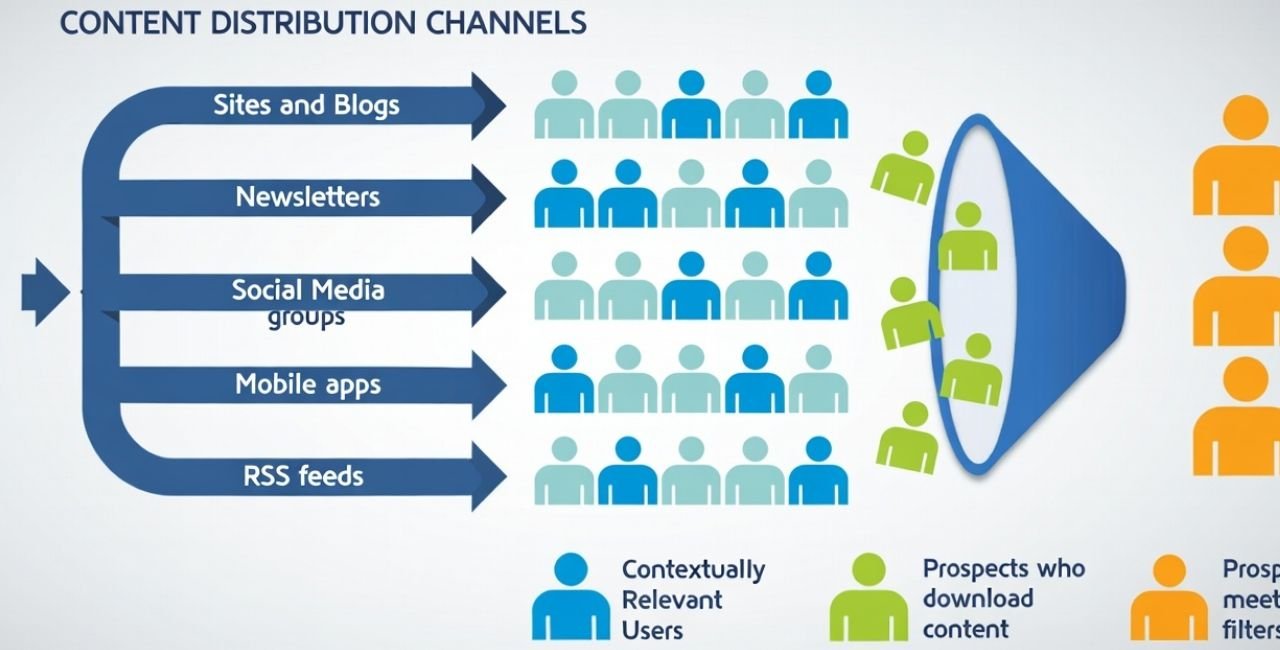
These platforms act as hubs where you submit content for redistribution. Publishers, bloggers, and businesses upload articles or assets, and the site shares them across networks. It’s like borrowing someone else’s audience to grow your own.
Syndication differs from guest posting. In guest posting, you create new content for a specific site. Here, you reuse existing work, often with a link back to the source. This reuse extends the life of your content.
Popular examples include social networks and dedicated tools. They range from free options to paid services that target specific industries. Submitting to Syndication Submission Sites involves simple steps: Create an account, upload your piece, add tags, and hit submit.
Why do sites accept submissions? They need fresh material to engage users. In return, you get visibility. It’s a win-win setup that has evolved with digital marketing.
Benefits of Using Syndication Submission Sites
Submitting to these sites offers clear advantages. First, you gain backlinks. Search engines value links from reputable sources, improving your domain authority.
Second, traffic increases. Readers on syndication platforms follow your links, visiting your site. This can lead to more leads or sales.
Third, brand awareness grows. Your content appears in new places, reaching people who never knew about you.
SEO experts report up to 20% traffic boosts from consistent syndication. It also helps with keyword rankings by spreading your terms naturally.
On the flip side, avoid over-submission to low-quality sites. That can hurt SEO due to duplicate content penalties. Stick to high-authority platforms for best results.
- Improved Search Rankings: Backlinks signal trust to Google.
- Wider Reach: Access audiences beyond your own channels.
- Cost-Effective Marketing: Many sites are free.
- Lead Generation: Targeted submissions attract qualified visitors.
- Content Longevity: Repurpose old posts for ongoing value.
Businesses in competitive fields like tech or finance see the most gains. They use syndication to stay visible amid constant updates.
Top Free Syndication Submission Sites
Free sites lower the barrier to entry. They let you test strategies without spending money. Here are some top picks based on user reach and SEO value.
- LinkedIn: Post articles directly or share links. It targets professionals, ideal for B2B. With over 774 million users, it drives serious traffic. Tip: Use engaging headlines to boost clicks.
- Medium: Import existing content easily. It has 100 million monthly readers. Focus on storytelling to stand out. Pros: No cost, built-in audience. Cons: Limited branding control.
- Quora: Answer questions with syndicated snippets. Link back to full articles. Great for niche expertise. It reaches 300 million users monthly.
- Reddit: Submit to relevant subreddits. Follow community rules to avoid bans. It can go viral if content resonates.
- Flipboard: Curate magazines with your pieces. Free and visual, it suits lifestyle or news content.
- Tumblr: Share blogs or images. It’s casual, with 437 million blogs active.
- Pinterest: Pin infographics or articles. Drives visual traffic, especially for e-commerce.
- SlideShare: Upload presentations. Owned by LinkedIn, it boosts professional visibility.
- Substack: Build newsletters with syndicated content. Free tier available.
- Dev.to: For tech content. Community-driven, with strong engagement.
These sites emphasize quality. Submit unique angles to avoid duplication issues. Track performance with analytics tools.
Top Paid Syndication Submission Sites
Paid options offer precision. You pay for targeted distribution, often with guarantees.
- Outbrain: Native ads on premium sites. Reaches 275 billion recommendations monthly. Cost: CPC model. Best for broad awareness.
- Taboola: Similar to Outbrain, with 1.2 billion users. Focuses on personalized feeds. Pros: High reach, analytics.
- Zemanta: Precise targeting via native ads. Integrates with DSPs.
- Revcontent: Performance-driven, with strict quality controls.
- Dianomi: Financial niche focus. High-engagement for B2B.
Paid sites like these ensure your content appears on trusted publishers. Budget starts at $100 monthly, scaling up.
Compare costs: Outbrain averages $0.03 per click, Taboola similar. Measure ROI through conversions.
Best Syndication Submission Sites for B2B Marketers
B2B needs targeted reach. These sites focus on professionals.
- LinkedIn Sponsored Content: Paid boosts for articles.
- TechTarget: IT-focused syndication.
- NetLine: Lead-gen through content downloads.
- ViB Syndication: B2B-specific, with intent data.
- Business 2 Community: Free submissions for business topics.
- Security Boulevard: Tech security niche.
These platforms generate leads. For example, NetLine offers downloadable assets, capturing emails.
In B2B, syndication builds thought leadership. Share whitepapers or case studies.
How to Choose the Right Syndication Submission Sites
Selection matters. Start with your goals: SEO, traffic, or leads?
Evaluate sites by:
- Domain Authority: Use tools like Moz. Aim for 50+.
- Audience Match: Does it fit your niche?
- Submission Rules: Check for canonical tags to avoid SEO hits.
- Cost vs. Value: Free for testing, paid for scale.
- Analytics: Platforms with tracking help refine efforts.
Avoid spammy sites. They can penalize your rankings.
For SEO focus, prioritize sites that allow do-follow links. Test a few, then expand.
Step-by-Step Guide to Submitting Content
Submitting is straightforward. Follow these steps for success.
- Prepare Content: Ensure it’s high-quality, original. Add images for appeal.
- Research Sites: Pick 5-10 from lists above.
- Create Accounts: Sign up, verify emails.
- Format Submission: Use site guidelines. Include bio and links.
- Add Tags/Keywords: Optimize for search within the platform.
- Submit and Promote: Share on social media post-submission.
- Track Results: Use UTM tags for analytics.
Common mistakes: Ignoring rules, submitting duplicates. Fix by using excerpts with links.
Tools like Buffer help schedule promotions.
Best Practices for Effective Syndication
Maximize impact with these tips.
- Use Canonical Tags: Point to original URL to avoid duplicate penalties.
- Vary Anchors: Natural link text improves SEO.
- Time Submissions: Post when audiences are active.
- Engage Communities: Respond to comments for more visibility.
- Repurpose Content: Turn blogs into videos or infographics.
- Monitor Duplicates: Use Copyscape to check.
Statistics show 60% of marketers syndicate content weekly. It correlates with 15% higher rankings.
Combine with email newsletters for amplified reach.
Integrating Syndication with Link Building Strategies
Syndication pairs well with link building. Services like Linkz Media enhance this. They offer guest posting and niche edits on high-authority sites.
For example, their Premium Plan includes 10 do-follow links from DR 40+ sites. This boosts syndication efforts by securing placements.
Register as an advertiser at Linkz Media’s registration page to start. Their services cover content creation and outreach.
Pricing details at their pricing section show options from $499.
Explore their marketplace at Market Linkz Media for more opportunities.
This integration turns syndication into a powerful SEO tool.
Case Studies: Success Stories from Syndication
Real examples inspire. A tech firm used Medium and LinkedIn. They saw 25% traffic increase in three months.
Another B2B company syndicated whitepapers via NetLine. Leads jumped 40%.
A blogger submitted to Quora. Organic searches rose 18%.
Key takeaway: Consistent submissions yield compounding results.
Stats: 70% of B2B marketers use syndication, per Content Marketing Institute.
Common Challenges and How to Overcome Them
Challenges arise. Duplicate content is common. Solve with canonicals.
Low engagement? Improve headlines and visuals.
SEO drops? Audit links, remove bad ones.
Time constraints? Automate with tools like Zapier.
Stay updated on algorithm changes. Google favors user-focused content.
Statistics on Syndication and SEO Impact
Data backs the strategy.
- 86% of marketers use video syndication for leads (Wyzowl).
- Syndicated content gets 275 billion views monthly via Outbrain.
- B2B firms see 20% more leads from targeted platforms.
- 50% of searches are voice-based; optimize for that in submissions.
These numbers show syndication’s role in modern SEO.
Advanced Tips for Maximizing SEO with Syndication
Go deeper. Use schema markup in submissions for rich snippets.
Target long-tail keywords in titles.
Build relationships with site admins for featured spots.
Analyze competitors’ syndication via Ahrefs.
A/B test submission formats.
For global reach, translate content.
Role of Content Quality in Syndication Success
Quality trumps quantity. High-value pieces get more shares.
Focus on solving problems. Use data, examples.
Edit ruthlessly. Poor grammar hurts credibility.
Visuals boost engagement by 94% (Venngage).
Evergreen content syndicates best.
Future Trends in Syndication Submission Sites
2026 brings changes. AI-driven personalization grows.
Voice search optimization rises.
Blockchain for content authenticity emerges.
More niche platforms appear.
Sustainability themes influence submissions.
Stay agile to adapt.
FAQs on Syndication Submission Sites
What are the top Syndication Submission Sites for beginners?
Start with Medium and LinkedIn. They’re free and user-friendly.
Does syndication hurt SEO?
No, if you use canonical tags. It actually helps with backlinks.
How often should I submit to Syndication Submission Sites?
Weekly for consistency, but avoid overdoing it.
Are paid Syndication Submission Sites worth it?
Yes, for targeted reach and leads.
Can I syndicate any content?
Focus on original, valuable pieces. Avoid promotional spam.
Conclusion: Harness the Power of Syndication Submission Sites
Syndication Submission Sites transform your content strategy. They expand reach, build links, and drive SEO gains. From free platforms like Medium to paid ones like Outbrain, options abound. Follow best practices, integrate with services like Linkz Media, and track results.
This approach reassures you of steady growth. Businesses thrive when content travels far.
What Syndication Submission Sites will you try first?
References
- ViB Tech: Top 15 Content Syndication Sites for 2025. Provides lists and benefits for B2B.
- Only-B2B: 20 Top Content Syndication Platforms & Tools. Details tools and examples for marketers.
- VefoGix: Syndication Submission Sites List for SEO. Curated lists for backlink building.
- The HOTH: Best Content Syndication Services. Insights on paid syndication and guarantees.
- eLearning Industry: Content Syndication Platforms and Strategies. Free and paid site breakdowns for B2B visibility.
- Newstex: Best Content Syndication Platforms 2026. Comparisons and categories for SEO boost.
- State of Digital Publishing: 15 Best Content Syndication Platforms in 2025. Publisher-focused tools.
- Justwords: 15 Free Content Syndication Platforms That Do Not Affect SEO. Free options with SEO tips.
- Digitalzone: 14 Best Content Syndication Platforms. Comprehensive lists for awareness.
- UnboundB2B: B2B Content Syndication Services. B2B-specific strategies.
Leave a Reply