Understanding Backlinks and Their Role in SEO
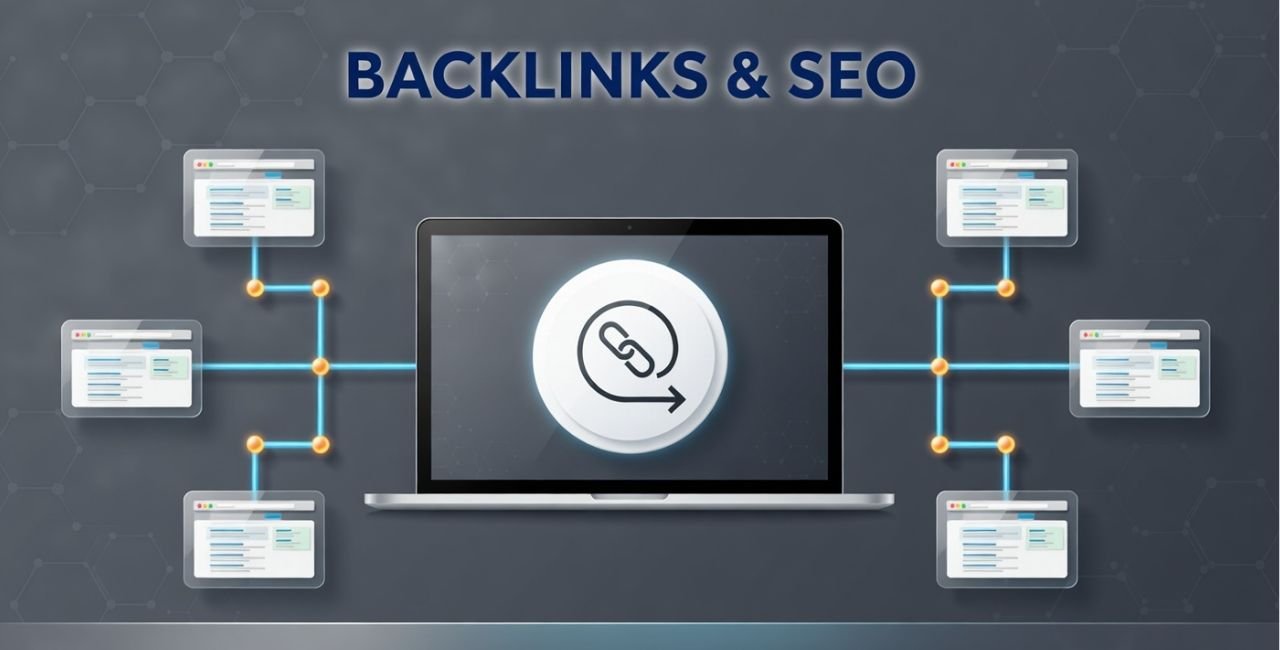
Backlinks are links from other websites that point to yours. They act like votes of confidence. Search engines see them as signs that your content is worth sharing. In 2026, with AI helping search engines understand context better, backlinks must come from relevant, high-quality sources. A strong profile means having diverse, authoritative links that boost your site’s credibility.
Why do backlinks matter so much? Studies show sites with more quality backlinks rank higher. For example, a Backlinko analysis of millions of search results found that top-ranking pages have nearly four times more backlinks than those lower down. But not all links are equal. Quality trumps quantity every time. In 2026, Google’s E-E-A-T (Experience, Expertise, Authoritativeness, Trustworthiness) guidelines emphasize natural links from real sites with traffic.
Building this profile takes time and strategy. You can’t just add any link. Focus on methods that align with search engine rules to avoid penalties. That’s why comparing guest posting and paid links is key. One builds lasting value; the other might lead to short-term gains followed by trouble.
What Makes a Strong Backlink Profile?
A robust backlink profile includes links from various domains, with a mix of do-follow and no-follow types. Do-follow links pass authority, helping rankings. No-follow ones don’t, but they still drive traffic and show diversity.
Key elements include:
- Relevance: Links from sites in your niche carry more weight. A tech blog linking to a gadget review means more than a random site.
- Authority: Measured by tools like Ahrefs’ Domain Rating (DR). Aim for sites with DR 40+ for better impact.
- Diversity: Don’t rely on one type. Mix guest posts, mentions, and natural shares.
- Anchor Text Variety: Use natural phrases, not just exact keywords, to avoid looking spammy.
- Traffic Quality: Links from sites with real visitors bring referral traffic, signaling value to search engines.
In 2026, with voice search and AI assistants on the rise, backlinks help your site appear in featured snippets and knowledge panels. But building this requires ethical tactics. Enter guest posting and paid links – two common paths with very different outcomes.
Guest Posting: A Natural Path to Quality Links
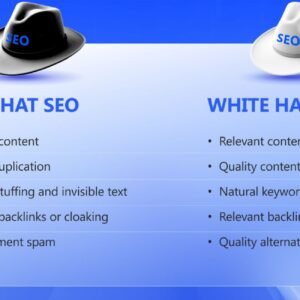
Guest posting means writing articles for other websites in exchange for a link back to yours. It’s a white-hat method, meaning it follows search engine guidelines. You create helpful content that fits the host site’s audience, and they publish it with your link.
This approach has grown popular because it builds relationships and authority. In 2026, with content being king, guest posts let you showcase expertise. Sites like linkz.media make it easier by handling outreach, writing, and placement on high-authority domains.
Benefits of Guest Posting
Guest posting shines in several ways:
- Builds Authority: When you contribute to reputable sites, you position yourself as an expert. Readers trust you more, and search engines notice.
- Drives Targeted Traffic: Links in guest posts bring visitors interested in your topic. This can lower bounce rates and improve engagement metrics.
- Long-Term SEO Gains: Unlike quick fixes, these links compound over time. A SEMrush study found that sites using guest posting saw a 30% ranking boost within months.
- Networking Opportunities: You connect with site owners, opening doors for future collaborations.
- Cost-Effective: While some services charge, the ROI is high because links last. For instance, Guest Posting from linkz.media offers packages starting at affordable rates for quality placements.
Compared to other methods, guest posting avoids risks. Google favors natural links earned through value, not money.
How Guest Posting Works in Practice
Start by finding suitable sites. Look for blogs in your niche with good traffic and authority. Tools like Ahrefs or Moz help identify them.
Steps to successful guest posting:
- Research Opportunities: Search for “write for us” pages or use queries like “niche + guest post.”
- Pitch Ideas: Send personalized emails with article topics that solve the site’s audience problems.
- Create Quality Content: Write 750-1,000 word pieces with data, examples, and clear structure. Use active voice and short sentences for readability.
- Include Natural Links: Add one or two relevant links to your site in the body or bio.
- Follow Up: After publication, promote the post on social media to amplify reach.
For those short on time, services like Guest Posting from linkz.media handle everything. They vet sites for organic traffic (at least 1,000+ visitors monthly) and ensure white-hat practices. Their team researches, writes native English content, and secures do-follow links without sponsored tags.
Examples of Successful Guest Posting
Take a small e-commerce site selling eco-friendly products. By guest posting on sustainability blogs, they gained links from DR 50+ domains. Within six months, organic traffic rose 40%, per their analytics. Another case: A tech startup used Guest Posting from linkz.media to place articles on industry sites, boosting their DR from 20 to 45.
Stats back this up. According to Ahrefs, guest posts on relevant sites can increase referral traffic by 20-50%. In 2026, with AI detecting spam better, sticking to genuine contributions pays off.
Paid Links: The Risky Shortcut
Paid links involve buying placements directly. You pay site owners to add your link, often without creating content. This might seem fast, but it’s gray-hat at best and can violate Google’s rules.
In the past, paid links worked well, but updates like Penguin changed that. Now, if Google detects manipulation, your site could face penalties, dropping rankings overnight.
Drawbacks of Paid Links
Here are the main issues:
- Penalty Risks: Google requires sponsored links to use “rel=sponsored” tags. Without them, it’s manipulation. A 2025 study by Search Engine Journal found 25% of sites using undisclosed paid links got hit with manual actions.
- Low-Quality Sites: Many sellers use private blog networks (PBNs) – fake sites with no real traffic. These links devalue quickly.
- Short-Term Gains: Rankings might spike, but they often fall when algorithms catch up. Long-term, it’s unsustainable.
- High Costs Without ROI: You pay upfront, but without content value, traffic stays low.
- Damage to Reputation: If exposed, it hurts trust with users and partners.
In 2026, with semantic search understanding intent better, paid links without context stand out as unnatural.
When Paid Links Might Seem Appealing
Some argue paid links save time. For competitive niches, quick boosts help. But ethical alternatives exist. If you must pay, disclose it properly and pair with content. Still, experts recommend avoiding them for core strategies.
Building a Strong Backlink Profile: Guest Posting vs. Paid Links in 2026 – A Direct Comparison
To choose wisely, let’s compare the two head-on.
| Aspect | Guest Posting | Paid Links |
|---|---|---|
| Method | Create and publish content on other sites | Buy link placements directly |
| Compliance | White-hat, natural | Often gray-hat, risks violations |
| Quality | High, with relevant context | Varies, often low from PBNs |
| Cost | Variable, but value-driven (e.g., Guest Posting from linkz.media starts at $300) | Upfront fees, no guarantees |
| Sustainability | Long-lasting, compounds | Short-term, volatile |
| Traffic | Targeted referrals | Minimal unless on high-traffic sites |
| Risk Level | Low if done right | High, potential penalties |
| Time to Results | 4-8 weeks | Immediate but fleeting |
From this, guest posting wins for safety and growth. In 2026, focus on earning links through value.
Integrating Guest Posting into Your SEO Strategy
Ready to build? Start with a plan.
Step-by-Step Guide to Guest Posting
- Audit Your Current Profile: Use tools like Ahrefs to see existing links. Identify gaps in relevance or authority.
- Set Goals: Aim for 5-10 quality links per month. Track metrics like DR increase and traffic.
- Choose Partners: Prioritize sites with real engagement. Avoid those selling links openly.
- Leverage Services: For efficiency, try Guest Posting from linkz.media. They offer niche-matched placements on DR 20-60+ sites.
- Create Content: Focus on topics with search volume. Include LSI terms like “link authority” or “organic traffic boost” naturally.
- Monitor and Adjust: Use Google Analytics to measure impact. Replace lost links promptly.
Tips for success:
- Personalize Pitches: Reference the site’s recent posts to show you’ve done homework.
- Optimize Anchors: Use varied text like “learn more about SEO strategies” instead of keywords only.
- Promote Posts: Share on social to increase visibility.
- Diversify: Mix with other tactics like broken link building or mentions.
In 2026, AI tools can help find opportunities. For example, use semantic search to identify related sites.
Niche Edits as a Complement to Guest Posting
Related to guest posting, niche edits add links to existing articles. Services like linkz.media include this in packages. It’s faster than full posts but still requires relevance. Benefits: Quicker placement, leverages aged content’s authority.
Content Strategy for Attracting Natural Links
Don’t stop at guest posting. Create shareable content on your site. Infographics, guides, and data studies draw links organically. A HubSpot report shows such content earns 2x more backlinks.
Risks and How to Avoid Them in Link Building
No strategy is risk-free. For guest posting, watch for over-optimization. Too many links from one domain looks suspicious.
Avoid common pitfalls:
- Spammy Sites: Check traffic with SimilarWeb. Aim for 5,000+ monthly visitors.
- Keyword Stuffing: Use focus terms naturally, like in headings.
- Ignoring Mobile: Ensure guest posts are mobile-friendly, as 60% of searches are mobile in 2026.
- Neglecting Follow-Up: Links can break; monitor with tools like Google Search Console.
For paid links, the best avoidance is steering clear. If tempted, use sponsored tags and focus on value.
Case Studies: Real-World Success with Guest Posting
Let’s look at examples.
Case 1: An online store for fitness gear. They used Guest Posting from linkz.media for 10 placements on health blogs. Result: Traffic up 35%, rankings for key terms improved from page 2 to top 5. Cost: Under $1,000 for premium plan.
Case 2: A B2B software company. Through manual guest posting, they secured links from Forbes-like sites. Organic leads increased 50% in three months. Key: High-quality, data-backed articles.
Case 3: Contrast with paid links. A site bought 100 links from a cheap service. Initial rank boost, but a Google update dropped them 20 positions. Recovery took months and clean-up.
These show guest posting’s edge in sustainable growth.
Future Trends in Backlink Building for 2026 and Beyond
As we hit 2026, trends shift. AI will automate outreach, but human touch remains key for relationships.
Expect:
- More Emphasis on E-E-A-T: Links from expert sources will matter more.
- Voice Search Optimization: Long-tail queries need contextual links.
- Sustainability Focus: Eco-friendly brands might prioritize green sites for links.
- Blockchain for Transparency: Some services may use tech to verify link authenticity.
Stay ahead by adapting. Services like linkz.media offer registration for ongoing access, making it easy to scale.
For marketplaces, explore market.linkz.media for buying/selling opportunities in a trusted environment.
Advanced Techniques for Enhancing Your Backlink Profile
Dive deeper. Use semantic keywords to strengthen content. Terms like “domain authority improvement” or “natural link acquisition” help search engines understand depth.
Long-tail keywords in guest posts, such as “how to build backlinks ethically in 2026,” attract specific traffic.
Combine with social signals. Shares on platforms amplify links.
Measure success with KPIs:
- DR Growth: Target 10-20 point increase yearly.
- Referral Traffic: Aim for 15% of total from backlinks.
- Conversion Rate: Track how links lead to sales.
Tools: Ahrefs for analysis, Google Analytics for traffic.
Common Myths About Backlinks Debunked
Myth 1: More links always better. Truth: Quality matters; 5 high-DR links beat 50 low ones.
Myth 2: Paid links are undetectable. Truth: AI spots patterns easily.
Myth 3: Guest posting is outdated. Truth: It’s evolving with better content.
In 2026, facts guide strategies.
FAQs on Building a Strong Backlink Profile: Guest Posting vs. Paid Links in 2026
Q: What’s the best starting point for beginners? A: Audit your site, then try guest posting on mid-tier blogs.
Q: How much does guest posting cost? A: DIY is free but time-consuming; services like linkz.media start at $300 for quality links.
Q: Can paid links ever be safe? A: Only if disclosed, but they’re not ideal for core SEO.
Q: How long until I see results? A: 4-8 weeks for initial boosts, 3-6 months for full impact.
Q: Is Guest Posting from linkz.media worth it? A: Yes, for vetted, white-hat placements with guarantees.
Conclusion
Wrapping up, Building a Strong Backlink Profile: Guest Posting vs. Paid Links in 2026 boils down to choosing sustainability over shortcuts. Guest posting, especially through reliable services like Guest Posting from linkz.media, offers natural, high-quality links that build authority and traffic without risks. Paid links might tempt with speed, but penalties and low ROI make them a poor choice. Focus on creating value, networking, and monitoring progress for lasting SEO success. By following these strategies, you’ll see your site climb rankings steadily.
What approach will you try first to strengthen your backlink profile?
References
- linkz.media – Main site for guest posting services, targeting SEO agencies and brands seeking white-hat link building. Audience: Digital marketers, e-commerce owners, and agencies aiming for organic growth.
- linkz.media/#services – Details on services like niche edits and content strategy, appealing to users wanting detailed SEO solutions.
- linkz.media/#pricing – Pricing tiers for packages, useful for budget-conscious advertisers focused on ROI.
- linkz.media/advertiser/register – Registration for advertisers, targeting those ready to invest in professional link placements.
- Backlinko SEO Studies – Provides stats on backlink impact, for audiences interested in data-driven SEO.
- SEMrush Reports – Insights on ranking improvements, aimed at professional SEOs and content creators.