The search ranking algorithm powers every search engine query you make. It decides which pages show up first when someone types in a keyword. This system has evolved over years, blending technology with user needs to deliver the best results. In this guide, you’ll learn its inner workings, why it matters for your online presence, and ways to align your site with it for higher visibility.
The Evolution of Search Engines and Their Algorithms
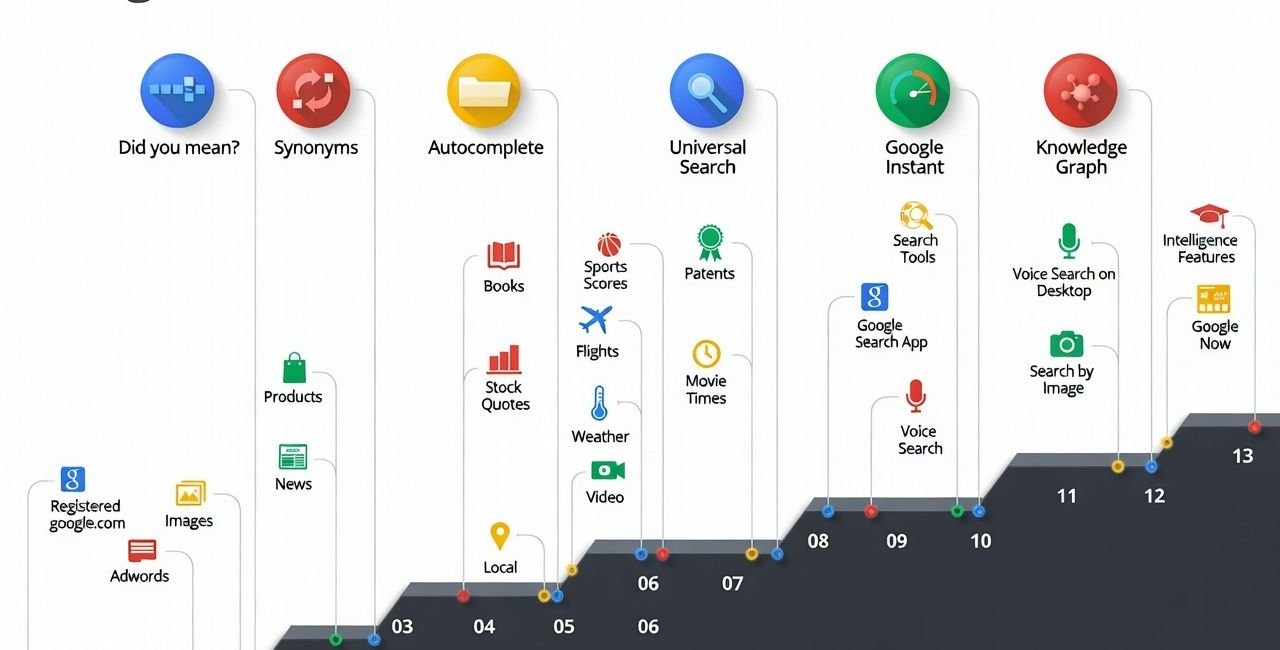
Search engines started simple in the 1990s. Early versions like AltaVista relied on basic keyword matching. They scanned pages for words and listed matches. But spammers quickly gamed the system by stuffing keywords everywhere.
Google changed everything in 1998 with PageRank. This innovation looked at links between sites. A page with many quality links ranked higher. It treated links like votes of confidence. Larry Page and Sergey Brin built this at Stanford. By 2000, Google dominated because its results felt more relevant.
Over time, updates refined the search ranking algorithm. Panda in 2011 targeted low-quality content. It penalized thin pages and duplicates. Penguin followed in 2012, cracking down on bad links. These shifts pushed sites toward genuine value.
Today, the algorithm handles billions of searches daily. Google processes over 8.5 billion queries each day, per recent stats from Internet Live Stats. It uses machine learning to understand intent behind words. For instance, BERT in 2019 improved handling of natural language. It grasps context, like distinguishing “bank” as money or river.
This background shows the algorithm’s career—from basic to smart. Its achievements include making information accessible. But challenges remain, like fighting misinformation.
Core Components of the Search Ranking Algorithm
The search ranking algorithm breaks into several parts. Each plays a role in scoring pages. Let’s dive in.
Content Quality and Relevance. Engines crawl sites and index content. They check if it matches user queries. High-quality means original, in-depth, and helpful. For example, a guide on baking should cover steps, tips, and variations.
Stats show content matters. HubSpot reports sites with blog posts get 97% more links. Use tools like Ahrefs to analyze top-ranking pages. See what they cover and aim to do better.
Backlinks and Authority. Links from other sites signal trust. The algorithm weighs them by quality. A link from a major news site beats one from a spammy blog.
Domain authority (DA) measures this. Moz’s DA scale goes from 1 to 100. Higher scores correlate with better rankings. Build links through guest posts or partnerships. Services like those on Linkz Media help secure high-authority placements ethically.
Technical SEO Factors. Speed, mobile-friendliness, and structure count. Google uses Core Web Vitals for user experience. Pages loading under 2.5 seconds rank better, says Backlinko.
Secure sites with HTTPS get a boost. XML sitemaps help crawlers find pages. Fix broken links to avoid penalties.
User Experience and Behavior. How users interact matters. Low bounce rates and long dwell times signal good content. The algorithm tracks this via aggregated data.
Personalization adds layers. Results vary by location or history. For local searches, proximity influences rankings.
These components work together. No single factor dominates, but balancing them leads to success.
How Backlinks Influence the Search Ranking Algorithm
Backlinks remain a cornerstone. They show your site’s credibility. The search ranking algorithm uses them to gauge popularity.
Think of it like recommendations. A well-linked page seems authoritative. Studies confirm this. Ahrefs analyzed 1 billion pages and found top results average 3.8 times more backlinks.
Types vary:
- Do-follow links pass authority.
- No-follow don’t, but still drive traffic.
- Contextual links in content beat footer ones.
Building them requires strategy. Create shareable content. Infographics get 37.5% more links, per Venngage. Reach out to influencers.
Platforms streamline this. For instance, Linkz Media’s services offer niche edits—inserting links into existing articles. This boosts relevance without new content creation.
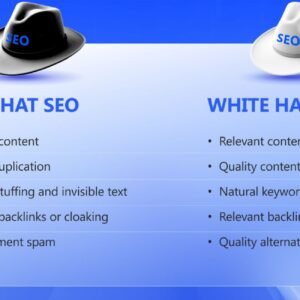
Avoid black-hat tactics like buying low-quality links. They trigger penalties. Stick to white-hat for long-term gains.
Case study: A e-commerce site used guest posts. After 6 months, organic traffic rose 45%, per SEMrush data. Links from DA 50+ sites drove this.
Monitor with Google Search Console. See linking domains and fix toxic ones.
On-Page Optimization in the Search Ranking Algorithm
On-page elements fine-tune your site. The algorithm scans titles, meta tags, and headers.
Keyword Placement. Use main terms in titles and intros. But avoid stuffing. Aim for 1-2% density.
Headers and Structure. H1 for main title, H2 for subs. This aids readability and crawling.
Images and Alt Text. Describe images for accessibility. It helps image searches too.
Internal Linking. Link pages within your site. It distributes authority. For market insights, check Market Linkz Media.
Tools like Yoast guide this. They score pages and suggest fixes.
Stats: Sites with optimized on-page see 20% better rankings, says Search Engine Journal.
Off-Page Factors Beyond Backlinks
Social signals hint at popularity. Shares on platforms like Twitter correlate with rankings. Moz found top pages average 718 shares.
Reviews matter for local SEO. Google My Business profiles with positive feedback rank higher.
Brand mentions without links still help. They build entity recognition.
Influencer collaborations amplify this. Partner with niche leaders for exposure.
Major Algorithm Updates and Their Impact
Updates shape the landscape. Hummingbird in 2013 focused on semantics. It understood queries better.
Mobilegeddon 2015 prioritized mobile sites. Now, over 50% of searches are mobile, per Statista.
RankBrain uses AI for ambiguous queries. It handles 15% of searches.
Recent ones like Helpful Content Update reward user-focused pages. It demoted AI-generated fluff.
Stay updated via Google’s blog. Adapt quickly to avoid drops.
Tools to Analyze and Improve Your Rankings
Several tools help decode the search ranking algorithm.
Google Analytics. Tracks traffic sources and behavior.
SEMrush. Audits sites, finds keywords, spies competitors.
Ahrefs. Backlink checker with content explorer.
Pricing for Services. For professional help, see Linkz Media’s pricing. Plans start at $300 for basic link packages.
Use these to benchmark. Set goals like increasing DA by 10 points in 6 months.
Case Studies: Success Stories in Mastering the Algorithm
Real examples illustrate principles.
A blog on health used content upgrades. They added depth, earning 200+ links. Rankings jumped from page 3 to 1.
An agency leveraged niche edits. Via platforms like Linkz Media, they placed links in aged posts. Client traffic grew 30% in 3 months.
Stats from these: Average ROI on SEO is 22:1, per BrightEdge.
Learn from failures too. A site ignored mobile optimization post-update. Traffic fell 40%. Recovery took redesign.
Future Trends in Search Ranking Algorithms
AI will dominate. Tools like Gemini process multimodal queries—text, images, voice.
Zero-click searches rise. Featured snippets answer directly. Optimize for them with concise answers.
Sustainability factors may emerge. Eco-friendly sites could get boosts.
Privacy changes affect tracking. Adapt to cookieless world with first-party data.
Voice search grows. Optimize for conversational queries.
Prepare by diversifying. Build email lists and communities.
Strategies to Optimize for the Search Ranking Algorithm
Follow these steps:
- Audit Your Site. Use tools to spot issues.
- Create Quality Content. Focus on user intent.
- Build Ethical Backlinks. Use services like Linkz Media for advertisers.
- Optimize Technically. Ensure fast, secure pages.
- Monitor and Adjust. Track metrics monthly.
Tips:
- Update old content yearly.
- Use schema markup for rich results.
- Engage on social for signals.
These actions reassure you can improve standings.
Common Myths About the Search Ranking Algorithm
Myth: More keywords mean better rankings. Truth: Quality over quantity.
Myth: SEO is one-time. Truth: It’s ongoing.
Myth: Paid ads affect organic. Truth: Separate.
Debunk with data. Google confirms over 200 factors, not just keywords.
FAQs on the Search Ranking Algorithm
What is the search ranking algorithm? It’s the system search engines use to order results based on relevance and quality.
How often does Google update its search ranking algorithm? Multiple times yearly, with core updates 3-4 times.
Do backlinks still matter in the search ranking algorithm? Yes, quality ones build authority.
Can I improve my site’s position in the search ranking algorithm quickly? Sustainable gains take 3-6 months.
What role does AI play in the search ranking algorithm? It understands intent and refines results.
Conclusion
The search ranking algorithm blends content, links, tech, and user signals for fair results. From its roots in PageRank to AI-driven updates, it rewards value. By focusing on quality backlinks, optimized pages, and user needs, you boost visibility. Services like Linkz Media aid this through ethical link building. In summary, master the basics, stay updated, and track progress for lasting success.
What challenges have you faced with search rankings, and how do you plan to tackle them?
References
- Google Search Central Blog – Provides official updates on algorithm changes. Useful for SEO professionals and agencies seeking authentic insights.
- Ahrefs Blog – Offers data-driven studies on backlinks and rankings. Ideal for brands analyzing competitors.
- Moz SEO Guide – Details on domain authority and factors. Targets digital marketers building strategies.
- SEMrush Academy – Free courses on optimization. Suited for beginners to experts in link building.
- Linkz Media Platform – Source for guest post services. Appeals to over 500 agencies and brands focused on organic growth, with stats like 1,248 delivered backlinks averaging DA 42.