In today’s fast-paced business world, companies look for smart ways to grow without huge upfront costs. That’s where the top affiliate networks for b2b marketing come in. These platforms connect businesses with partners who promote products or services to other companies. If you run a software firm or offer business tools, joining one of these networks can help you reach more clients through trusted referrals. This article dives into the best options, their features, and how they fit B2B needs. We’ll cover everything from setup to success stories, helping you pick the right fit.
Understanding B2B Affiliate Marketing
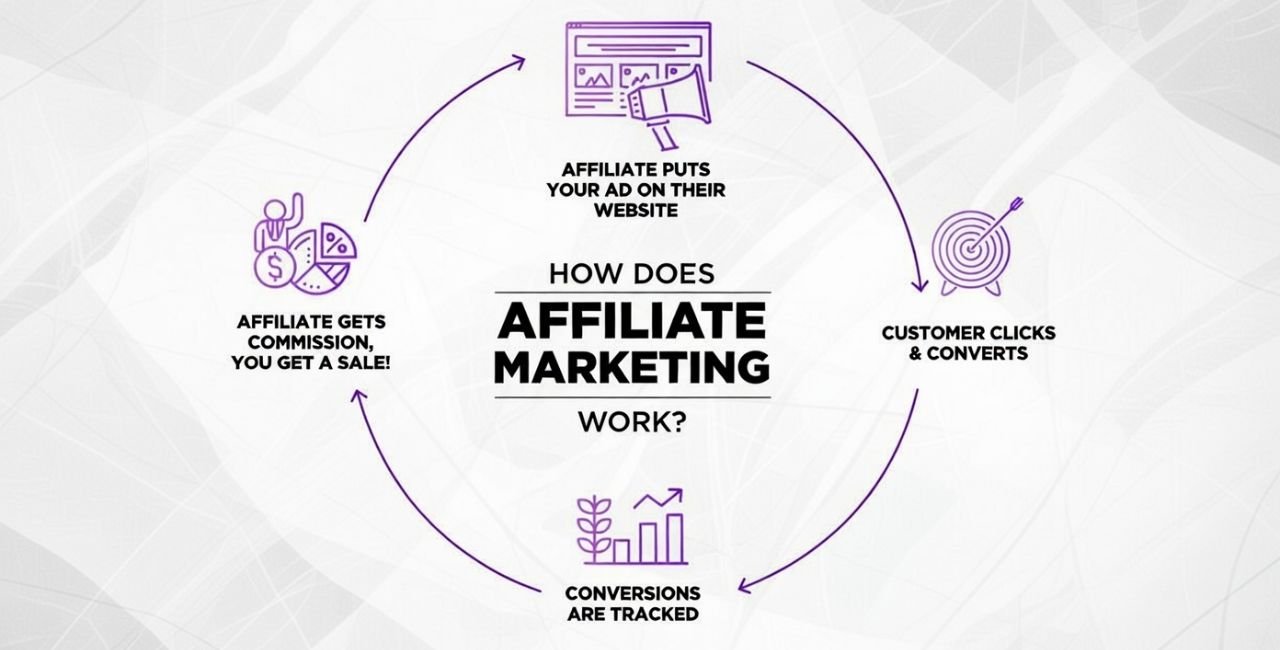
B2B affiliate marketing lets one business earn commissions by promoting another’s products to other companies. Unlike consumer-focused setups, it targets decision-makers in firms, often involving higher-value deals like software subscriptions or consulting services.
This model works well because B2B sales cycles can be long. Affiliates, such as bloggers or industry experts, build trust and guide buyers. For example, a tech reviewer might promote a CRM tool to small businesses, earning a cut from each sign-up.
Key elements include:
- Tracking tools: Software follows referrals and sales.
- Commission structures: Often recurring for ongoing subscriptions.
- Partner recruitment: Networks help find suitable affiliates.
Statistics show B2B affiliate spending will hit $20 billion in the US by 2026. This growth highlights its value for scalable marketing.
Benefits of Affiliate Networks in B2B
Using affiliate networks streamlines partnerships. They handle payments, tracking, and compliance, freeing you to focus on your core business.
Here are main advantages:
- Cost-effective growth: Pay only for results, like leads or sales.
- Wider reach: Tap into affiliates’ audiences in niches like SaaS or finance.
- Trust building: Partners endorse your brand, boosting credibility.
- Data insights: Get reports on performance to refine strategies.
One study notes that affiliates drive 16% of all online orders, similar to email marketing. In B2B, this translates to steady revenue from long-term contracts.
How to Choose the Right Network
Selecting from the top affiliate networks for b2b marketing requires careful thought. Start by matching your industry—SaaS firms might prefer specialized platforms.
Consider these factors:
- Commission rates: Look for generous payouts, like 20-40% recurring.
- Ease of use: User-friendly dashboards save time.
- Support quality: Good networks offer dedicated help.
- Partner quality: Ensure they attract reputable affiliates.
- Integration options: Check compatibility with your tools.
Test a few with small campaigns. Read reviews and ask for demos. Remember, the best choice aligns with your goals, whether lead gen or sales.
Top Affiliate Networks for B2B Marketing
Now, let’s explore standout options. These networks excel in B2B due to their focus on business tools, high commissions, and robust features. We’ll detail each, including pros, cons, and real-world examples.
PartnerStack
PartnerStack tops lists for B2B SaaS. It connects software companies with affiliates like agencies and influencers.
Features include:
- AI-powered recruitment for finding high-intent partners.
- Automated payments and tracking.
- Marketplace for discovering programs.
Pros:
- Built for subscriptions, with incentives for renewals.
- Large ecosystem of SaaS-focused affiliates.
- Detailed analytics.
Cons:
- Higher setup fees for premium plans.
- Best for tech-heavy businesses.
Commissions: Up to 30% recurring.
Example: A CRM provider used PartnerStack to recruit HubSpot partners, boosting sign-ups by 40%.
To enhance visibility, consider linking strategies from services like Linkz Media, which offers high-authority placements.
Impact.com
Impact.com handles complex B2B partnerships. It’s ideal for enterprises needing custom setups.
Features:
- Advanced attribution for multi-touch sales.
- Fraud detection tools.
- Global reach with multi-currency support.
Pros:
- Scalable for large deals.
- Integrates with CRM systems.
- Strong reporting.
Cons:
- Steeper learning curve.
- Premium pricing.
Commissions: Vary, often 20-50% per sale.
Example: A fintech firm partnered with influencers via Impact, gaining 25% more leads in six months.
For market insights, check Market Linkz for related opportunities.
HubSpot Affiliate Program
HubSpot’s program promotes its CRM and marketing tools. It’s great for affiliates in inbound marketing.
Features:
- Free resources like banners and emails.
- Tiered commissions based on referrals.
- Community support.
Pros:
- High brand recognition.
- Recurring payouts for subscriptions.
- Easy approval.
Cons:
- Competitive space.
- Limited to HubSpot products.
Commissions: Up to $1,000 per sale.
Example: Bloggers promoting HubSpot saw steady income from ongoing user fees.
Explore pricing models similar to those at Linkz Media Pricing for comparison.
SEMrush Affiliate Program
SEMrush focuses on SEO and marketing tools. Affiliates earn by referring digital marketers.
Features:
- Long cookie windows (120 days).
- Promo materials in multiple languages.
- Dedicated manager.
Pros:
- High payouts.
- Tools for tracking performance.
- Global appeal.
Cons:
- Niche-specific.
- Approval process.
Commissions: 40% recurring.
Example: An agency affiliate earned thousands promoting SEMrush to clients.
Shopify Affiliate Program
Shopify targets e-commerce but fits B2B for business stores.
Features:
- Bounties for referrals.
- Educational content.
- Partner dashboard.
Pros:
- Trusted platform.
- High conversion rates.
- Flexible promotions.
Cons:
- Focuses more on retail.
- Variable commissions.
Commissions: $150 per signup.
Example: Consultants referred Shopify to B2B sellers, building passive income.
Register as an advertiser through similar processes at Linkz Media Register.
Reditus
Reditus is SaaS-centric, with a marketplace for affiliates.
Features:
- Recruit tool for active hunting.
- Automated workflows.
- Two-way matching.
Pros:
- Affordable for startups.
- Focus on B2B growth.
- Easy integrations.
Cons:
- Newer platform.
- Limited to SaaS.
Commissions: Custom, often 20-30%.
Example: A tool provider doubled partners in months.
ClickFunnels
ClickFunnels suits sales funnel builders.
Features:
- High-ticket commissions.
- Training academy.
- Sticky cookies.
Pros:
- Lucrative for marketers.
- Community events.
- Proven conversions.
Cons:
- Specific niche.
- Higher competition.
Commissions: 40% recurring.
Example: Affiliates promoted to agencies, earning from upgrades.
Bluehost
Bluehost offers hosting for B2B sites.
Features:
- One-click installs.
- 24/7 support.
- Promo tools.
Pros:
- Reliable brand.
- Flat-rate payouts.
- Broad appeal.
Cons:
- Saturated market.
- Lower recurring.
Commissions: $65 per sale.
Example: Web devs referred clients for steady earnings.
Freshbooks
Freshbooks targets accounting software.
Features:
- Trial promotions.
- Custom links.
- Performance bonuses.
Pros:
- User-friendly.
- High retention.
- Good support.
Cons:
- Finance-focused.
- Moderate commissions.
Commissions: $5-200 per referral.
Example: Bookkeepers used it for client recommendations.
Trakaff
Trakaff provides tracking and marketplace.
Features:
- 24/7 support.
- Diverse offers.
- Analytics.
Pros:
- Versatile.
- Low entry.
- B2B tools.
Cons:
- Less known.
- Varying quality.
Commissions: Vary by program.
Example: SaaS firms tracked campaigns effectively.
ReachStream
ReachStream focuses on lead gen.
Features:
- Data-driven matching.
- Global database.
- Custom campaigns.
Pros:
- Targeted B2B.
- High payouts.
- Insights.
Cons:
- Data privacy rules.
- Setup time.
Commissions: Up to 50%.
Example: Marketers used for precise targeting.
Rewardful
Rewardful integrates with Stripe for SaaS.
Features:
- Instant setups.
- Custom rewards.
- Dashboards.
Pros:
- Simple.
- Affordable.
- Fast payouts.
Cons:
- Basic features.
- Limited scale.
Commissions: 25-30%.
Example: Startups launched programs quickly.
Fintel Connect
Fintel specializes in finance and SaaS.
Features:
- Industry expertise.
- Automated tools.
- Reporting.
Pros:
- Niche focus.
- Reliable.
- Growth-oriented.
Cons:
- Sector-specific.
- Higher costs.
Commissions: Competitive.
Example: Banks partnered for leads.
Cherry Servers
Cherry offers cloud affiliates.
Features:
- Dedicated servers.
- Web3 support.
- High commissions.
Pros:
- Tech-forward.
- Global.
- Secure.
Cons:
- Technical niche.
- Approval needed.
Commissions: Recurring.
Example: IT firms referred infrastructure.
B2B Rocket
B2B Rocket uses AI for sales.
Features:
- AI recommendations.
- High rewards.
- Easy joins.
Pros:
- Innovative.
- Lucrative.
- Growth-focused.
Cons:
- Newer.
- AI-dependent.
Commissions: Up to $2400.
Example: Affiliates boosted earnings fast.
Tips for Success in B2B Affiliate Marketing
To maximize these networks:
- Build strong content: Create guides or reviews that attract business readers.
- Nurture relationships: Communicate with affiliates regularly.
- Track metrics: Monitor ROI, conversion rates, and lifetime value.
- Use tools: Integrate with CRM for seamless data.
Quote from an expert: “Affiliates succeed when they align with genuine product use.”
For services, explore Linkz Media Services to support your efforts.
Common Challenges and Solutions
B2B affiliates face long sales cycles. Solution: Offer incentives for leads, not just sales.
Fraud risks exist. Use networks with detection like Impact.
Competition is high. Differentiate with unique angles, like case studies.
Future Trends in B2B Affiliate Marketing
AI will shape recruitment, as seen in PartnerStack. Expect more focus on sustainability and data privacy.
Growth in emerging markets will expand opportunities.
FAQs About Top Affiliate Networks for B2B Marketing
What are the top affiliate networks for b2b marketing?
Leading ones include PartnerStack, Impact, and HubSpot, each offering unique B2B features.
How do I join these networks?
Sign up on their sites, provide details, and await approval.
What commissions can I expect?
Ranges from $50 flat to 40% recurring, depending on the program.
Are they suitable for startups?
Yes, many like Reditus have low barriers.
How to measure success?
Track referrals, conversions, and revenue through dashboards.
Conclusion
The top affiliate networks for b2b marketing provide powerful ways to expand reach and revenue. From PartnerStack’s SaaS focus to Impact’s enterprise tools, options suit various needs. Choose based on your industry, test strategies, and build lasting partnerships. This approach ensures sustainable growth in a competitive landscape.
